
The following is the Father’s Day Sermon given by Fr. Maryan during Divine Liturgy on June 21, Father'sDay. It is an important message for fathers everywhere.
Today as we gather in the holy temple of God, we give thanks to the Lord for the gift of fatherhood and remember with gratitude all fathers – those who are with us today, those who have departed to the Lord, and those who strive daily to fulfill their sacred calling within their families.
To understand the true meaning of fatherhood, we must begin where Holy Scripture begins: with God Himself and His divine providence.
The first words of the Bible proclaim: “In the beginning God created the heavens and the earth” (Genesis 1:1). The world did not come into existence by chance.. It was created by the wisdom, love, and providence of God. Everything that eixists bears witness to His goodness. The sun, the stars, the seas, the mountains, and every living creature reveal the glory of the Creator.
Yet among all creation, God bestowed a unique honor upon mankind. Scripture tells us that God created man in His own image and likeness. He formed Adam from the dust of the earth and breathed into him the breath of life. Then seeing that it was not good for man to be alone, God created Eve and united them in holy marriage.
Thus, the family is not merely a human institution. It is established by God Himself. Marriage, parenthood, and family life are sacred gifts entrusted to humanity from the very beginning of creation.
Within this divine order, the father has a special responsibility. Fatherhood is not merely a biological fact; it is a sacred vocation. A father is called to be a protector, provider, teacher, guide, and spiritual leader of his household.
The world often measures a man by his success, wealth, power, or achievements. But God measures a man differently. Before God, the greatness of a father is seen in his faithfulness, his love, his sacrifice, and his concern for the salvation of those entrusted to his care.
The Holy Apostle Paul writes: “If anyone does not provide for his own, and especially for those of his household, he has denied the faith and is worse than an unbeliever” (1 Timothy 5:8). A father therefore has the responsibility to care for his family not only materially but also spiritually. It is not enough to provide food, clothing, and shelter. These are necessary, but they are not sufficient. A father must also nourish the souls of his children.
Children learn far more from what they see, than from what they hear. If a father teaches honesty but practices deceit, his words lose their power. If he speaks about prayer but never prays, his children will remember his example more than his instruction. If he tells his children to love Christ but places worldly concerns above God, they will learn where his true priorities lie. For this reason, the father must strive to become a living example of Christian life.
The first duty of a father is to love God. Before he can lead his family to Christ, he must himself seek Christ. Before he can teach prayer, he must pray. Before he can encourage repentance, he must repent. The spiritual condition of a father profoundly affects the spiritual atmosphere of the home. A father should be present in the life of the church. He should bring his family to the Divine Liturgy, teach reverence for the holy mysteries, encourage confession and Holy Communion, and cultivate a home where prayer is natural and frequent.
The Second duty of a father is to love his wife. The family flourishes when husband and wife live in mutual respect, sacrifice, and faithfulness. Children who witness genuine Christian love between their parents receive one of the greatest blessings possible. The Apostle Paul commands husbands: “Love your wives, just as Christ also loved the Church and gave Himself for her” (Ephesians 5:25). Notice that Saint Paul does not simply say, love your wives.” He presents Christ Himself as the model. Christ’s love is sacrificial. He gives Himself completely for His Bride, the Church. In the same way, a father is called to place the needs of his family before his own comfort and convenience.
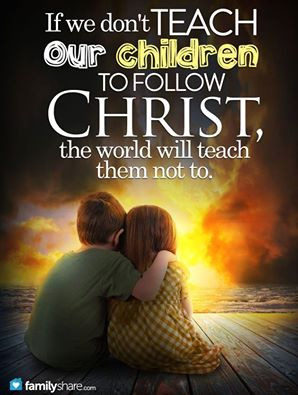
The third duty of a father is to guide and educate his children. The Book of Proverbs tells us: “Train up a child in the way he should go, and when he is old he will not depart from it” (Proverbs 22:6). The world constantly seeks to shape the minds and hearts of our children. Through media, entertainment, social pressures, and countless distractions, many voices compete for their attention., Therefore fathers must be vigilant,. They cannot delegate entirely the spiritual formation of their children to schools, teachers, or even clergy. The home must become a small church. The father should teach his children to pray, to forgive, to tell the truth, to honor their parents, to help those in need, and to trust in God during difficult times., The greatest inheritance a father can leave his children is not wealth or possessions, but faith in Christ.
Holy Scripture gives us many examples of fatherhood. God entrusted Abraham with a tremendous mission. He became the father of many nations and the ancestor of God’s chosen people. Yet what distinguished Abraham was not merely his position but his faith and obedience. When God called him, Abraham obeyed. When God tested him, Abraham trusted. His entire life was marked by confidence in God’s promises. The Lord Himself said concerning Abraham: “For I have known him, in order that he may command his children and his household after him, that they keep the way of the Lord: (Genesis 18:19). Abraham understood that faith must be passed from one generation to the next. He did not merely believe personally; he taught his household to walk in the ways of God. This remains the calling of every Christian father today.
What qualities, then, characterize a good father?
First: faith. A father should trust in God and seek His guidance. Second: love. Genuine fatherhood is rooted in selfless love. Third: responsibility. A father accepts his duties rather than fleeing from them. Fourth: patience. Children do not mature overnight. They require understanding, guidance, and forgiveness. Fifth: humility. A good father recognizes his own weaknesses and seeks God’s help. Sixth: integrity. His words and actions should be consistent. Seventh: courage. He must defend what is right even when it is difficult. Eight: perseverance. He remains faithful through trials and hardships.
No father fulfills these virtues perfectly. Every father has weaknesses, makes mistakes, and falls short. Yet the Christian father does not seek perfection through his own strength. He continually turns to God’s mercy asking for wisdom, forgiveness, and grace. Children do not need flawless fathers. They need fathers who sincerely love God, who repent when they fail, and who continue striving toward holiness.
Today we also remember fathers who have departed this life. We thank God for their sacrifices, prayers, labor, and love. May the Lord grant rest to their souls in His heavenly kingdom.
We remember as well those fathers who carry heavy burdens: those struggling with illness, financial hardships, family difficulties, loneliness, or grief. May God strengthen them and grant them His peace.
And to all fathers present today, the Church offers gratitude and encouragement. Thank you for your labor. Thank you for your sacrifices. Thank you for your prayers. Thank you for the countless ways in which you provide, protect , teach, and love. Your work is often unseen by the world, but it is seen by God.
May the Lord bless all fathers with wisdom, patience, strength, and steadfast faith. May He help them become living examples of Christ within their homes. May their families be filled with love, peace, and the presence of the Holy spirit.
On this Father’s Day, we offer our heartfelt congratulations to all fathers and pray that God grant them many blessed years. Amen.